Italian Spices & Herbs
This post contains affiliate links. I may earn a small commission if you purchase through my links, at no extra cost to you.”
Italian cuisine is built on a foundation of bold, aromatic herbs and spices that have been cherished for centuries. Whether you’re simmering a Sunday ragù, topping a homemade pizza, or roasting a whole chicken, the right Italian spices make all the difference. This guide covers every essential herb and spice, plus our favorite Amazon picks so you can stock your pantry today
Fresh & Dried Herbs
Basil

The cornerstone of Italian cuisine, key in pesto, Caprese, and tomato sauces
Oregano
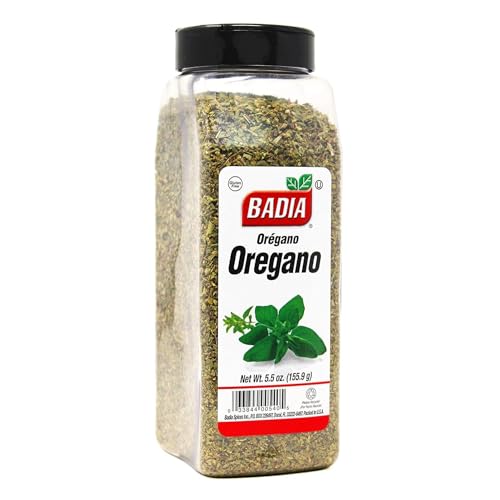
Bold, earthy flavor; essential for pizza sauce, marinara, and grilled meats
Rosemary

Piney and aromatic; perfect for roasted potatoes, focaccia
Thyme
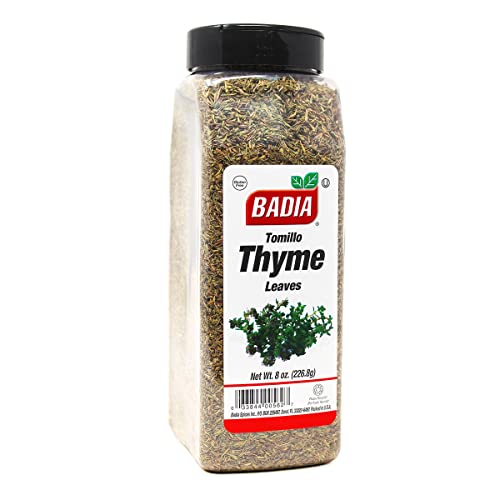
Subtle and floral; used in soups, stews, and braised dishes
Flat-Leaf Parsley
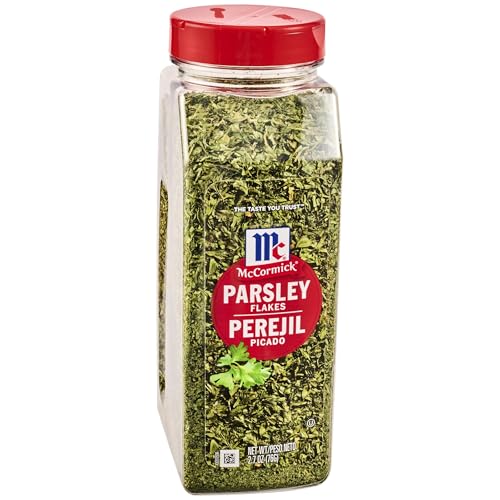
Bright and fresh, a finishing herb for pasta, fish, and risotto
Sage
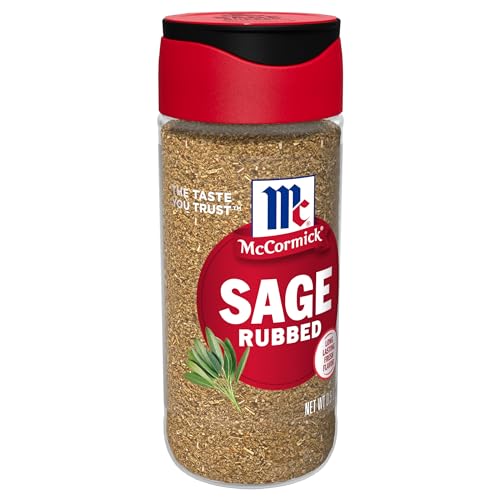
Earthy and slightly peppery, classic with brown butter and gnocchi
Bay Leaves
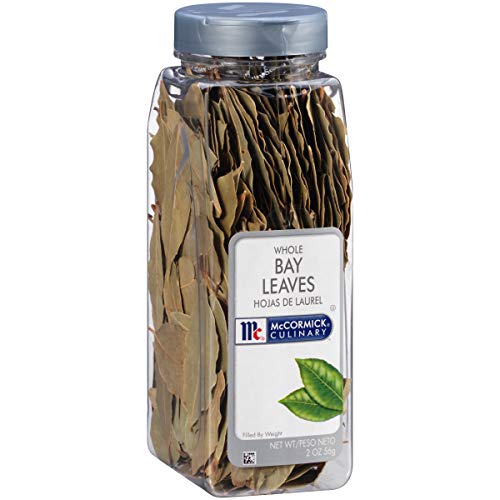
Adds depth to slow-cooked sauces, braises, and soups
Marjoram

Milder cousin of oregano, used in sausages and vegetable dishes
Tarragon
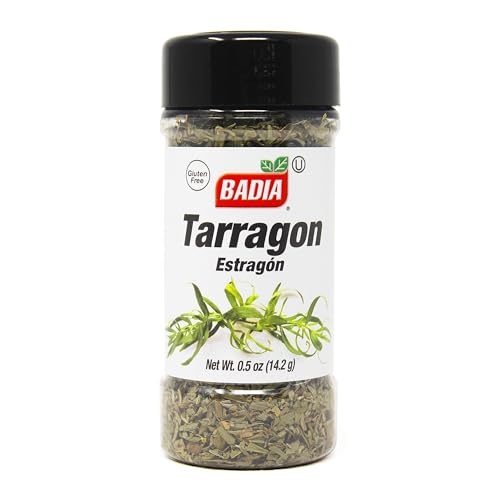
Anise-like flavor; popular in northern Italian cooking
Red Pepper Flakes (Peperoncino)

The Italian go-to for heat in pasta, pizza, and oils
Fennel Seeds
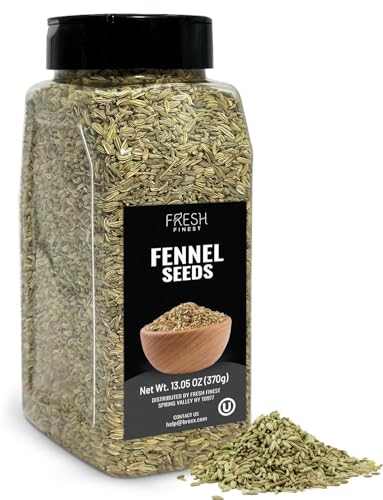
Sweet and licorice-like, essential in Italian sausage and pork dishes
Black Pepper
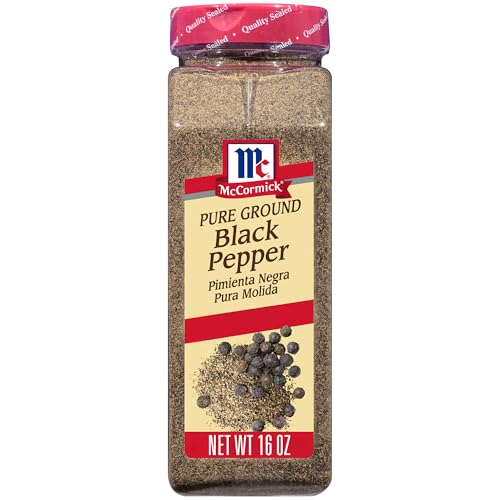
A universal staple, key in cacio e pepe and cured meats
Italian Seasoning
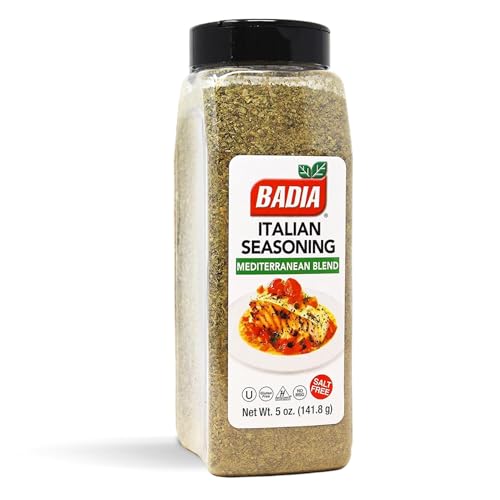
A dried blend of oregano, basil, thyme, rosemary, and marjoram
Dried Porcini Powder
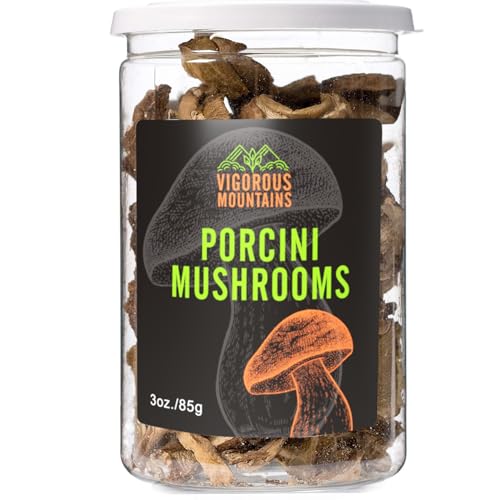
Intensely umami, it adds depth to risottos and pasta sauces
Juniper Berries
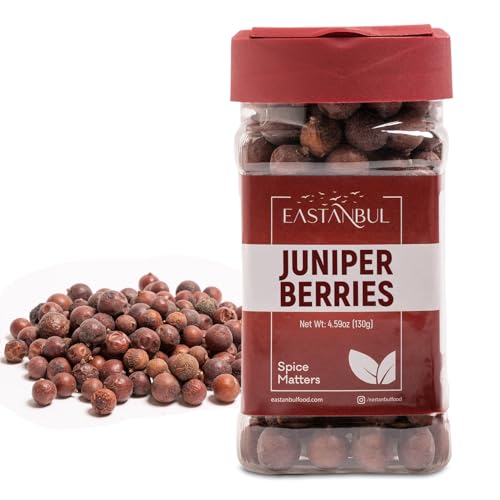
Used in game meats and northern Italian cuisine
Tips
Add dried herbs early in cooking to bloom their flavor; add fresh herbs at the end to preserve brightness. Less is more. Italian cooking values the quality of a few well-chosen seasonings over complexity. Store dried spices in a cool, dark place and replace them every 6–12 months for peak potency.