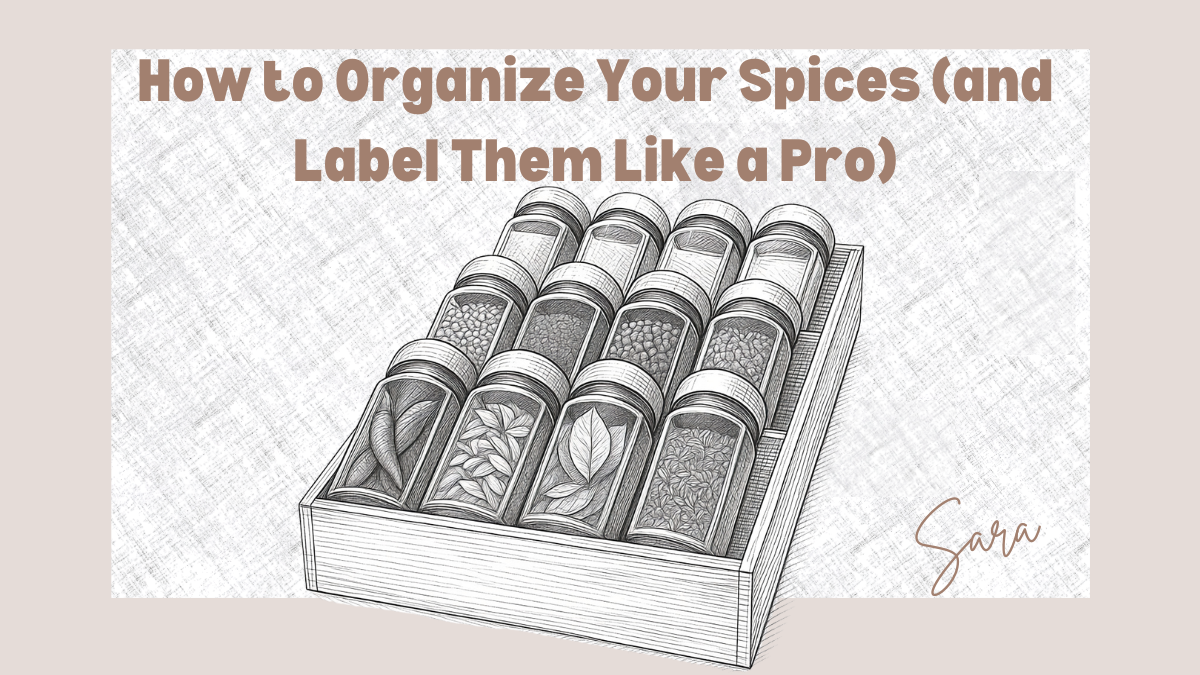
How to Organize Your Spices (and Label Them Like a Pro)
This post contains affiliate links. I may earn a small commission if you purchase through my links, at no extra cost to you.”
A well-organized spice collection can completely change how you cook. No more digging through cluttered cabinets or buying duplicates you didn’t know you had. Just a clean, functional system that makes everything easy to find.
Step 1: Declutter and Check Freshness
Start by taking out all your spices. Yes, all of them. This gives you the chance to see exactly what you have and clear out unnecessary clutter.
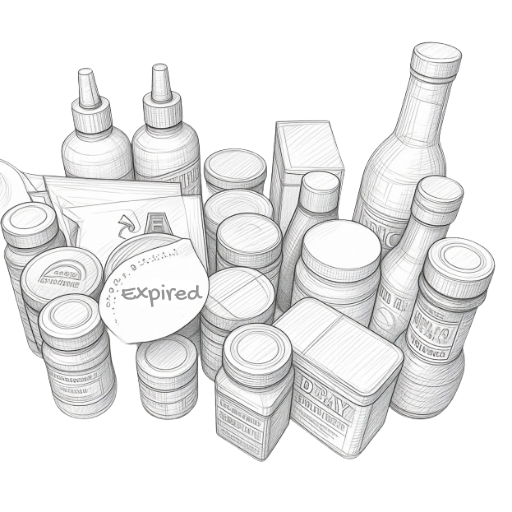
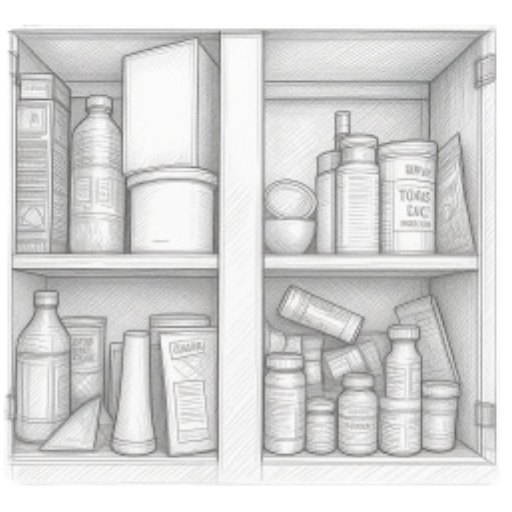
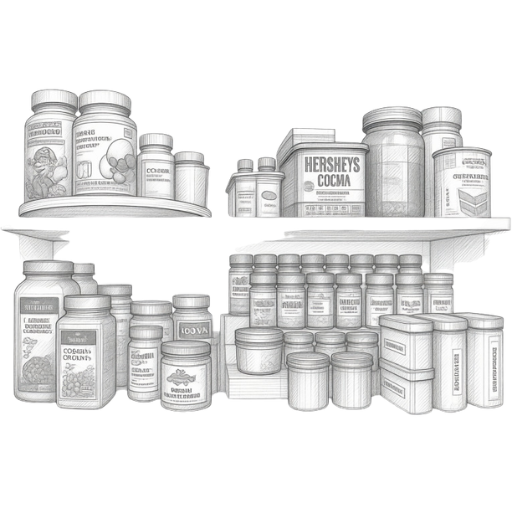
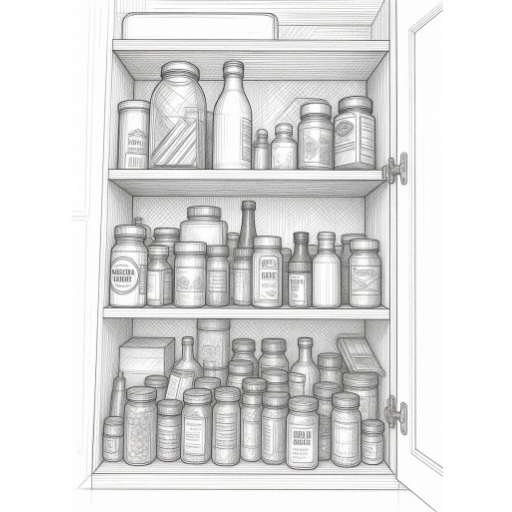
Toss anything that is expired or has lost its aroma, since older spices no longer provide the best flavor. Combine duplicate spices to save space and avoid overbuying, then wipe down your jars, shelves and storage areas before reorganizing everything neatly.
Fresh spices = better flavor, so this step is worth it.
Step 2: Choose Your Organization Style
Pick a system based on your kitchen space:
- Drawer (best for visibility): Lay jars flat with labels facing up
- Cabinet (tiered rack): Use a stepped organizer so you can see everything
- Wall-mounted: Great for small kitchens or aesthetic setups
- Pull-out racks: Clean look, hidden storage
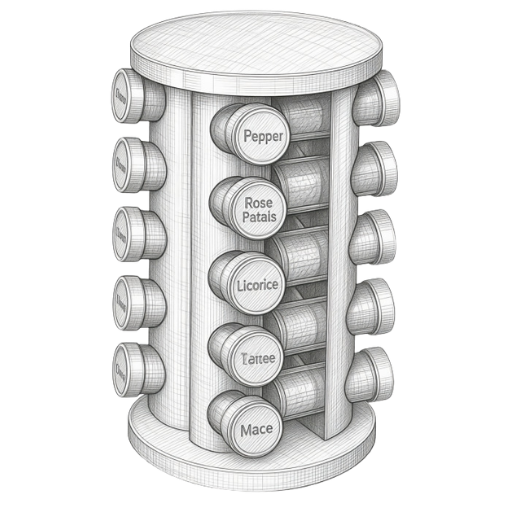
The goal is simple: see everything at a glance.
Step 3: Group Your Spices
You can organize spices in a few different ways depending on what works best for your kitchen routine. Arranging them alphabetically makes each spice easy to find quickly, especially when cooking often.
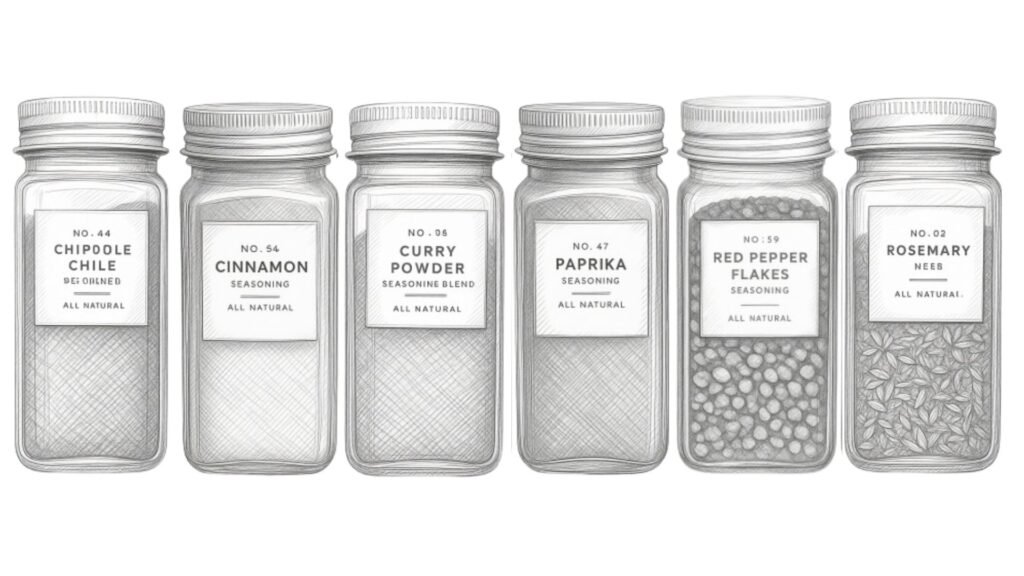
Organizing by cuisine keeps flavors grouped together, such as Italian, Mexican, baking or grilling spices. Another effective method is organizing by frequency of use, placing everyday essentials front and center while storing less-used spices farther back. Choose what feels natural as you’ll be more likely to maintain it.
Step 4: Label Everything Clearly
Labeling is what takes your spice organization from “good” to “perfect.”
When labeling your spices, try to keep all labels consistent by using the same font, style, or container design for a clean and organized look. Place labels where they are easy to read, such as on the front of the jar or on the lid if stored in a drawer. It can also be helpful to include expiration or refill dates so you can easily keep track of freshness and know when it is time to restock.
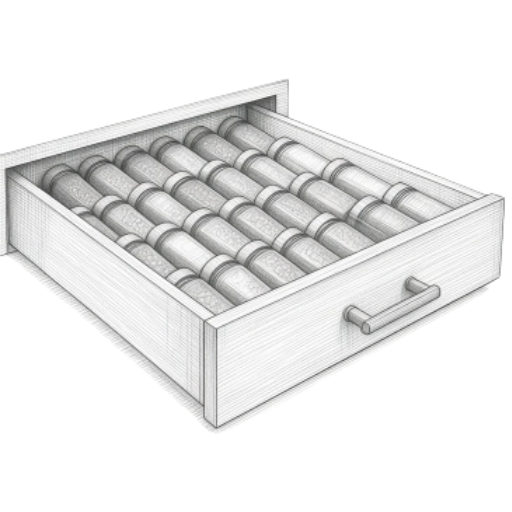
Step 5: Maintain Your System
Once everything is set up, maintaining your spice organization becomes much easier. Return spices to their designated spot after cooking to keep the system tidy and functional. Doing a quick reset every couple of weeks can help prevent clutter from building up, and regularly refilling or relabeling jars will keep everything fresh, organized, and easy to find.
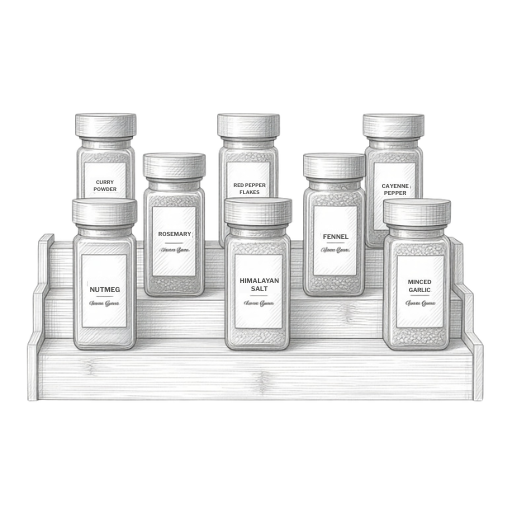
A little upkeep keeps your system working long-term.
Items You’ll Need
Here’s a simple checklist to get started:
Storage & Organization
- Spice jars (glass or uniform containers)
- Drawer organizer / tiered rack / pull-out rack
- Lazy Susan (optional, for cabinets)
Labeling Supplies
Extras (Optional but Helpful)
Final Thoughts
Organizing your spices doesn’t have to be complicated. Cooking becomes much more pleasurable and your kitchen becomes more productive with a clear structure and appropriate labeling.
Once you set it up, you’ll wonder how you ever managed without.