This post contains affiliate links. I may earn a small commission if you purchase through my links, at no extra cost to you.
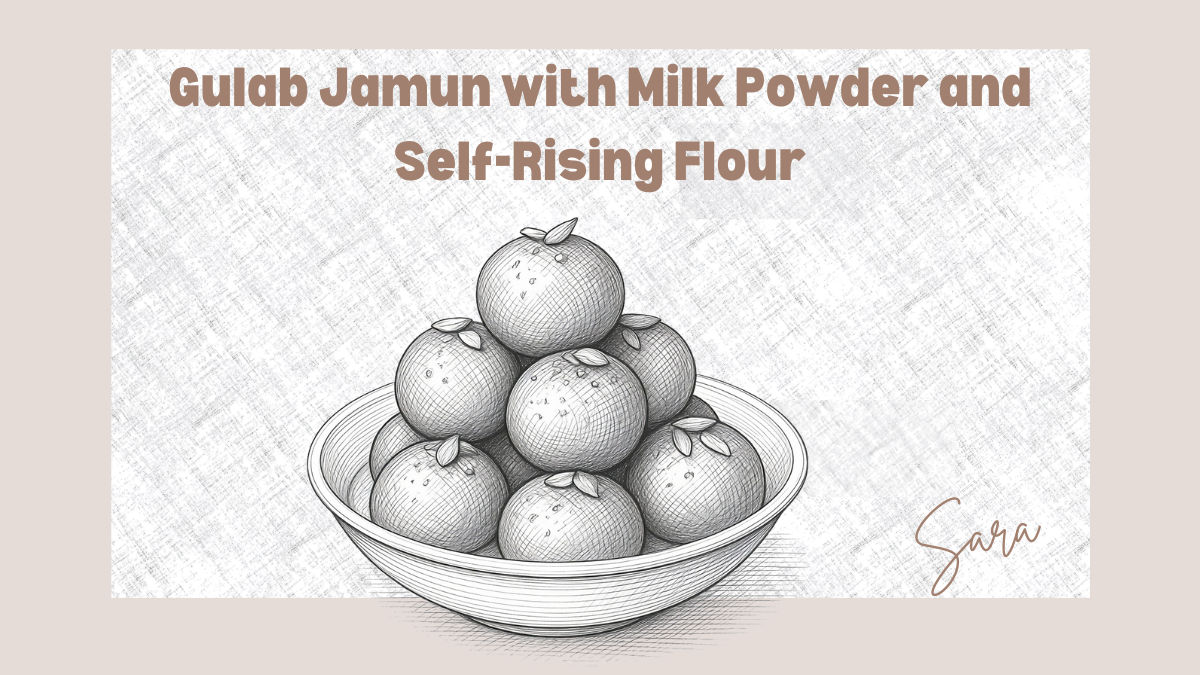
A Quick, Vegetarian Recipe: Gulab Jamun with milk powder
Some of the best recipes are born from necessity, and this gulab jamun is one of them.
When my son’s food allergies pushed me to start researching and experimenting in the kitchen, I never imagined I would end up making gulab jamun from scratch. As a mom who freely admits she had no idea what she was doing, discovering that milk powder works beautifully in this classic Indian dessert and that my son has absolutely no issues with it, was one of those kitchen wins that made all the experimenting completely worth it.
These gulab jamun are soft, golden, and syrup-soaked, made with a simple dough of milk powder, self rising flour, and butter, then deep fried and dropped into a fragrant rose water and cardamom sugar syrup. They taste like something from a celebration, and they come together with ingredients you can find at any grocery store.
What Is Gulab Jamun?
Gulab jamun is one of the most beloved desserts in Indian cuisine. The name comes from two words,gulab, meaning rose, and jamun, a dark berry that the fried dough balls resemble in color and shape. They are traditionally made from khoya (reduced milk solids), shaped into small balls, deep fried until golden, and then soaked in a fragrant sugar syrup flavored with rose water and cardamom.
This version swaps the traditional khoya for milk powder, which is easier to find, more affordable, and delivers the same soft, melt-in-your-mouth texture that makes gulab jamun so irresistible.
Why This Recipe Works
Milk powder replaces traditional khoya, giving the dough the same rich, milky flavor and soft texture without any hard-to-find ingredients
Self rising flour simplifies the dough , no need to measure out separate leavening agents
Butter adds richness and helps the dough come together smoothly
Rose water and cardamom in the syrup give these gulab jamun their signature fragrant, floral flavor
Deep frying gives them their classic golden exterior before they soak up all that syrup
Prep Time
15 mins
Cook Time
15 mins
Soak Time
20 mins
Total Time
50 minutes

Ingredients
–
Equipment
–

Method
–

Notes
–
Method


Tips
Keep the oil temperature low and steady. This is the single most important tip. High heat will give you a dark outside and raw inside. Low and slow is the way to go, think of it as a gentle fry rather than a quick one.
Do not overwork the dough. Mix just until the dough comes together. Overworking develops the gluten in the flour and makes the gulab jamun tough and chewy instead of soft and melt-in-your-mouth.
Smooth out all cracks before frying. Any crack in the surface will open up in the hot oil and cause the ball to break apart. A little milk on your fingertips helps seal them.
Keep the syrup warm. Dropping cold gulab jamun into cold syrup means they will not absorb properly. Both the gulab jamun and the syrup should be warm when they meet.
Be patient with the soaking time. Twenty minutes is the minimum, if you can leave them for an hour or overnight in the refrigerator, the results are even better.
Frequently Asked Questions
Can I use regular all-purpose flour instead of self rising flour?
Yes. If you do not have self rising flour, substitute with all-purpose flour and add ¼ teaspoon of baking powder. Self rising flour simply makes the process easier by having the leavening already included.
Why did my gulab jamun turn out hard?
Hard gulab jamun are usually caused by one of two things, overworking the dough or frying at too high a temperature. Make sure your dough is mixed gently and your oil is on a low to medium-low heat. Also make sure they soak in warm syrup long enough.
Why did my gulab jamun break apart in the oil?
This usually happens when there are cracks in the dough balls or when the oil is too hot. Make sure each ball is smooth and crack-free before frying, and keep the oil temperature low.
Can I make the dough ahead of time?
It is best to make and fry the dough the same day for the best texture. However, you can make the sugar syrup a day ahead and store it in the refrigerator, reheat it before soaking.
Can I use salted butter instead of unsalted?
Yes, but reduce or omit any added salt. The small amount of butter in this recipe means the difference will be minimal either way.
How do I know when the oil is the right temperature?
Drop a tiny piece of dough into the oil. It should sink briefly, then rise slowly and gently to the surface and begin to turn golden. If it shoots to the surface immediately and browns quickly, the oil is too hot, reduce the heat and wait a few minutes before trying again.
Can I add saffron to the syrup?
Absolutely. A small pinch of saffron dissolved in a teaspoon of warm water and added to the syrup gives a beautiful golden color and a delicate floral flavor that pairs wonderfully with the rose water.