
This post contains affiliate links. I may earn a small commission if you purchase through my links, at no extra cost to you.”
When I first started baking egg-free, I ruined more than one batch of muffins before realizing that not all egg substitutes are interchangeable. A flax egg that works beautifully in banana bread can leave a delicate cake dense and gummy. Once I understood why eggs matter in baking, choosing the right substitute got a lot easier and that’s exactly what I want to walk you through here
If you’re baking without eggs, whether for an allergy, a vegan lifestyle, or because you just ran out, the good news is you have more options than you think. The tricky part isn’t finding an egg substitute. It’s finding the right one for the recipe you’re making.
Not every egg substitute works the same way. Some bind, some add moisture, some help things rise. Using the wrong one can leave you with a dense brownie or a cookie that won’t hold together. This guide breaks down the most reliable egg-free baking substitutes, exactly when to use each, and how to measure them so your bakes turn out right the first time.
Why Eggs Matter in Baking (and What You’re Really Replacing)
Before swapping anything, it helps to know what eggs actually do in a recipe:
- Binding – holding ingredients together
- Leavening – helping baked goods rise and stay light
- Moisture – adding richness and softness
- Structure – giving cakes and baked goods their shape
Most egg substitutes are good at one or two of these jobs, not all four. That’s why picking the right one for your recipe matters.
The Best Egg-Free Baking Substitutes
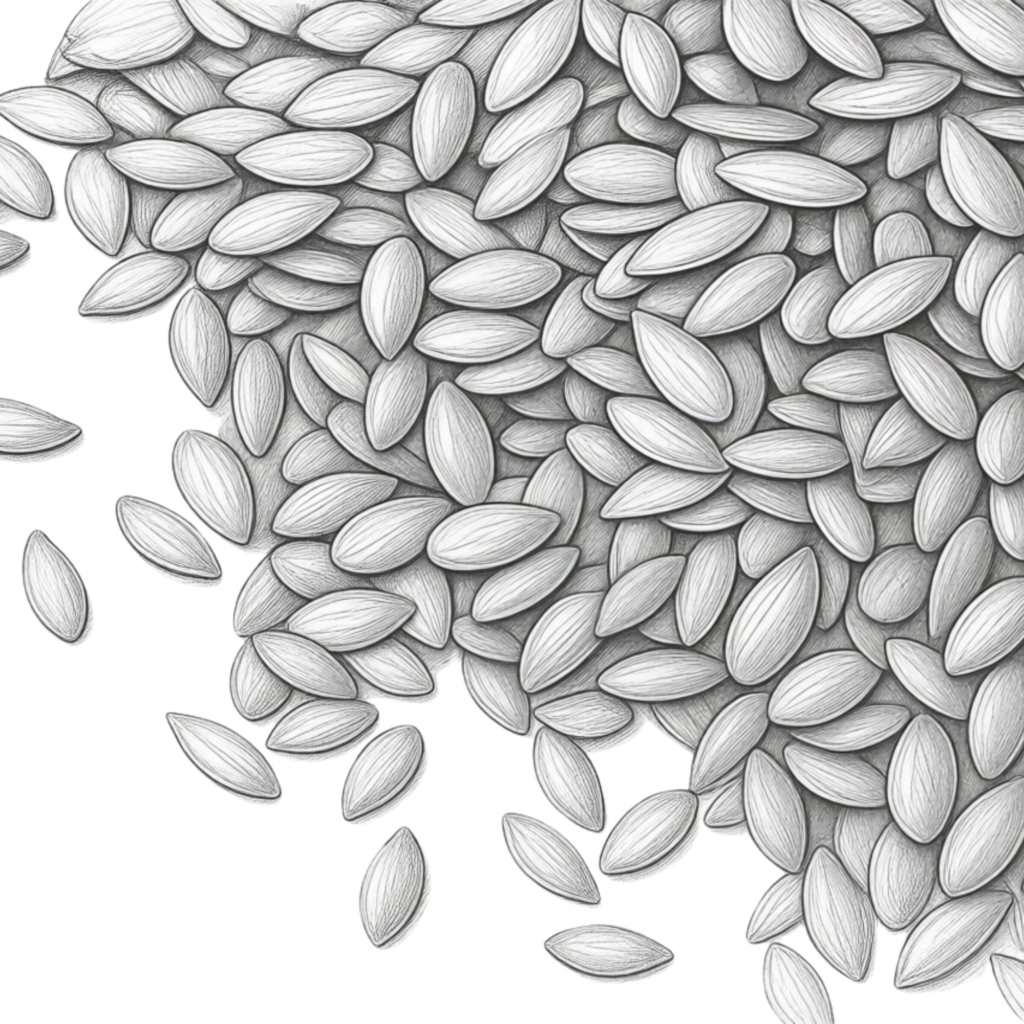
1. Flaxseed(flax egg) Best for: Cookies, muffins, pancakes, quick breads. Not ideal for: Light, airy cakes or delicate pastries
Mix 1 tablespoon ground flaxseed with 3 tablespoons water. Let it sit for 5–10 minutes until it thickens into a gel. This equals one egg. Why it works: Flax forms a gel that mimics the binding power of eggs, making it ideal for denser baked goods like muffins, cookies, and quick breads.
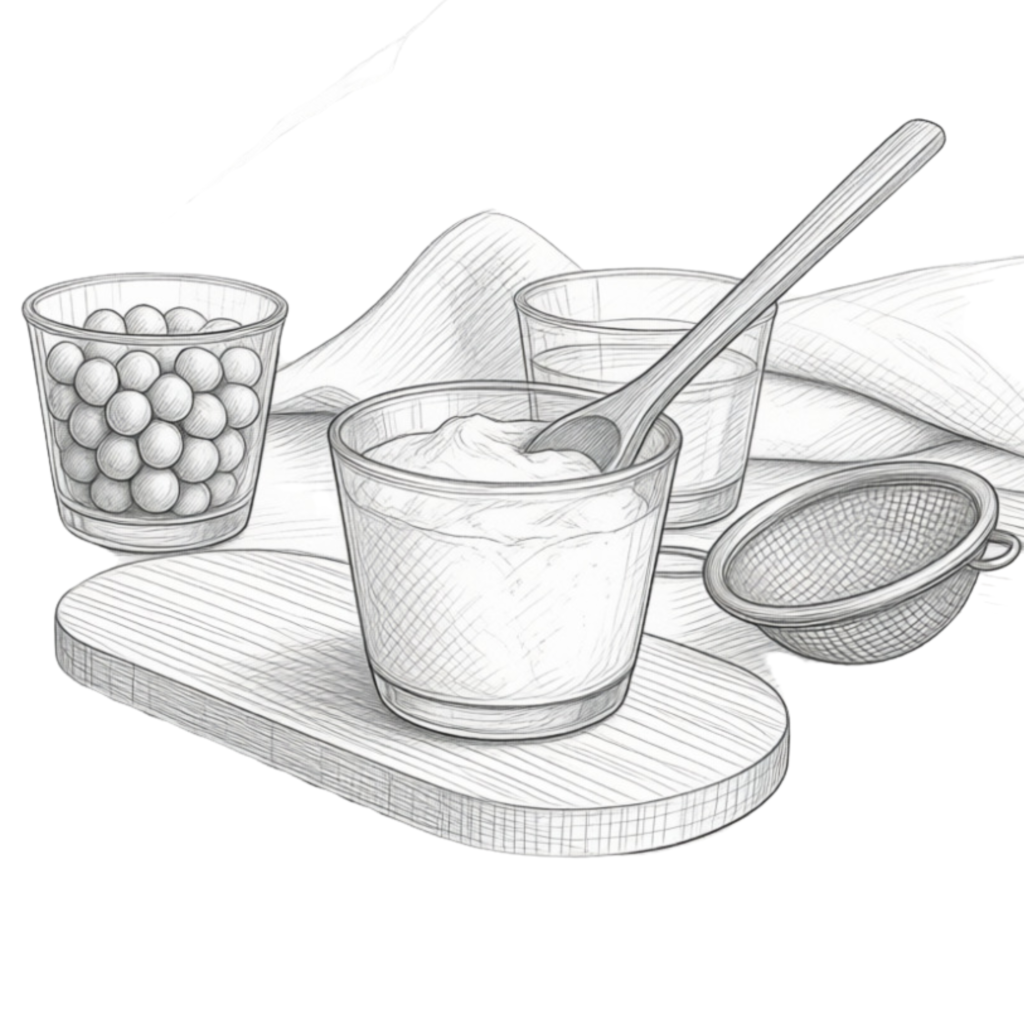
2. Aquafaba (Best for: Meringues, Macarons, Light Cakes)
Use 3 tablespoons of aquafaba (the liquid from a can of chickpeas) per egg. Whip it like an egg white for meringues or macarons. Why it works: Aquafaba has a similar protein structure to egg whites, so it whips up and holds air, something few other substitutes can do.
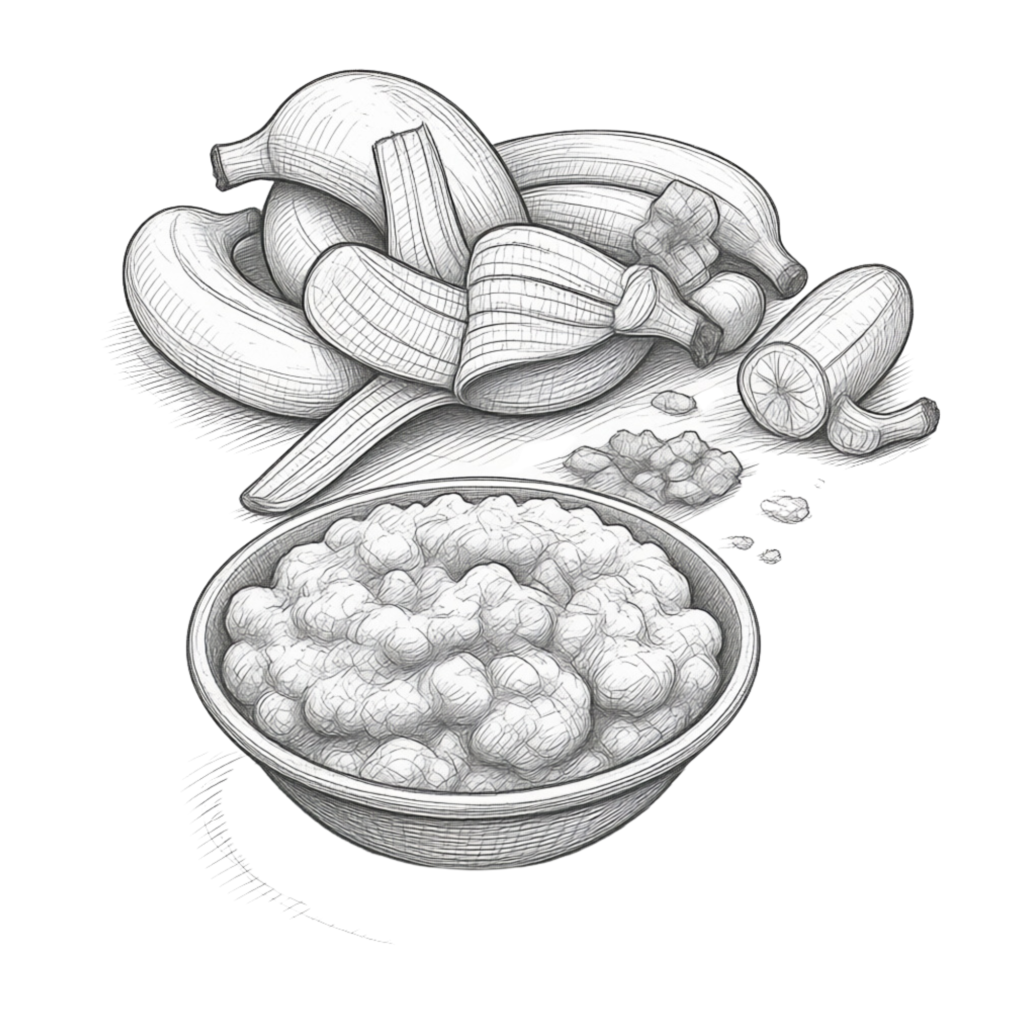
3. Mashed Banana (Best for: Muffins, banana bread, and Pancakes)
Use ¼ cup mashed ripe banana per egg.
Why it works: Banana adds moisture and mild binding, plus natural sweetness, but it will add a slight banana flavor, so it works best in recipes where that’s already welcome.

4. Unsweetened Applesauce (Best for: Cakes, Brownies)
Use ¼ cup unsweetened applesauce per egg.
Why it works: Like banana, applesauce adds moisture and light binding without a strong flavor, making it a more neutral option.
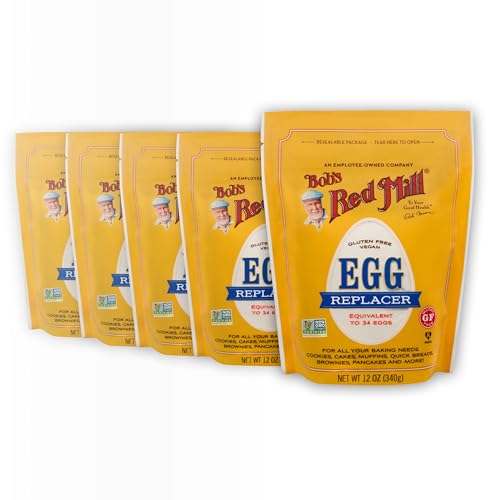
5. Commercial Egg Replacer (Best for: Cakes That Need to Rise)
Follow the package instructions (usually 1½ teaspoons powder + 2 tablespoons water per egg). Why it works: These are specifically formulated with starches and leavening agents to mimic both the binding and rising power of eggs.
Best for: Layer cakes, cupcakes, recipes needing reliable rise. Not ideal for: Recipes needing a “clean label” or pantry-only ingredients.

6. Silken Tofu (Best for: Dense, Rich Bakes)
Blend ¼ cup silken tofu until smooth per egg.
Why it works: Tofu adds moisture and protein-based structure, making it a good fit for denser, richer baked goods like brownies.
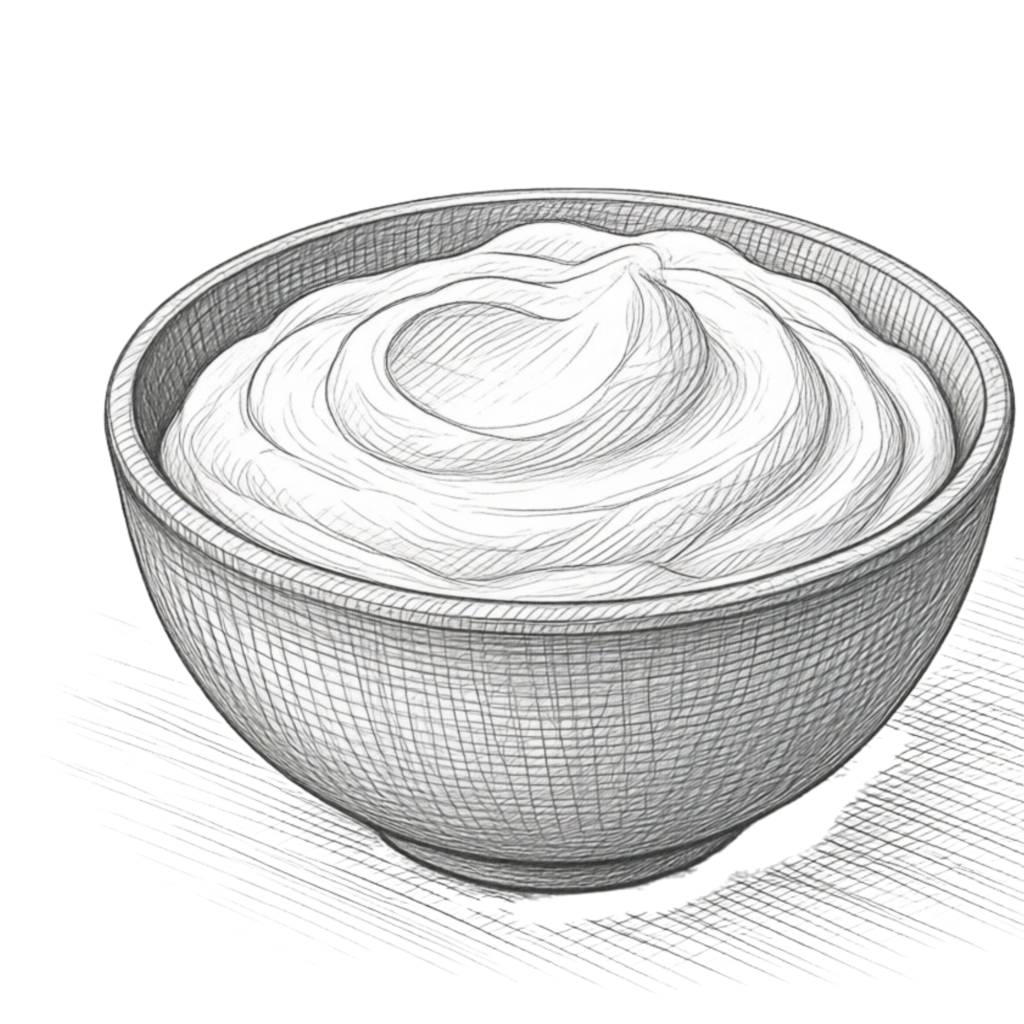
6. Plain Yogurt (Best for: Moist Cakes, Muffins)
Use ¼ cup plain yogurt (dairy or a plant-based alternative like coconut or soy yogurt) per egg. Why it works: Yogurt’s acidity reacts with baking soda to give a gentle lift, while its thickness adds moisture and light binding, similar to applesauce but with a slight tang.
Common Mistakes to Avoid
- Using the wrong substitute for the job. A flax egg won’t give you the airy rise a meringue needs, check what the recipe actually needs (binding vs. rising vs. moisture) before choosing.
- Skipping the resting time for flax eggs. Give it the full 5–10 minutes to gel, or it won’t bind properly.
- Overpowering delicate recipes with banana or applesauce. These add flavor and moisture, great in the right recipe, but they can make delicate cakes gummy if overused
Frequently Asked Questions
What is the best egg substitute for baking cookies? A flax egg (1 tablespoon ground flaxseed + 3 tablespoons water) works best for most cookie recipes because it provides binding without excess moisture.
Can I use applesauce and flax egg together? Yes, combining a small amount of applesauce with a flax egg can boost both moisture and binding in recipes like brownies or dense cakes.
Does aquafaba really work like egg whites? Yes. Aquafaba whips up similarly to egg whites and is one of the only substitutes that can create the airy structure needed for meringues and macarons.
How long does a flax egg last before baking? Use it within about 15–20 minutes of mixing for the best binding results.




2 Comments