Avoiding Allergies and Choosing Better Ingredients
Yesterday was a rough day in my kitchen.
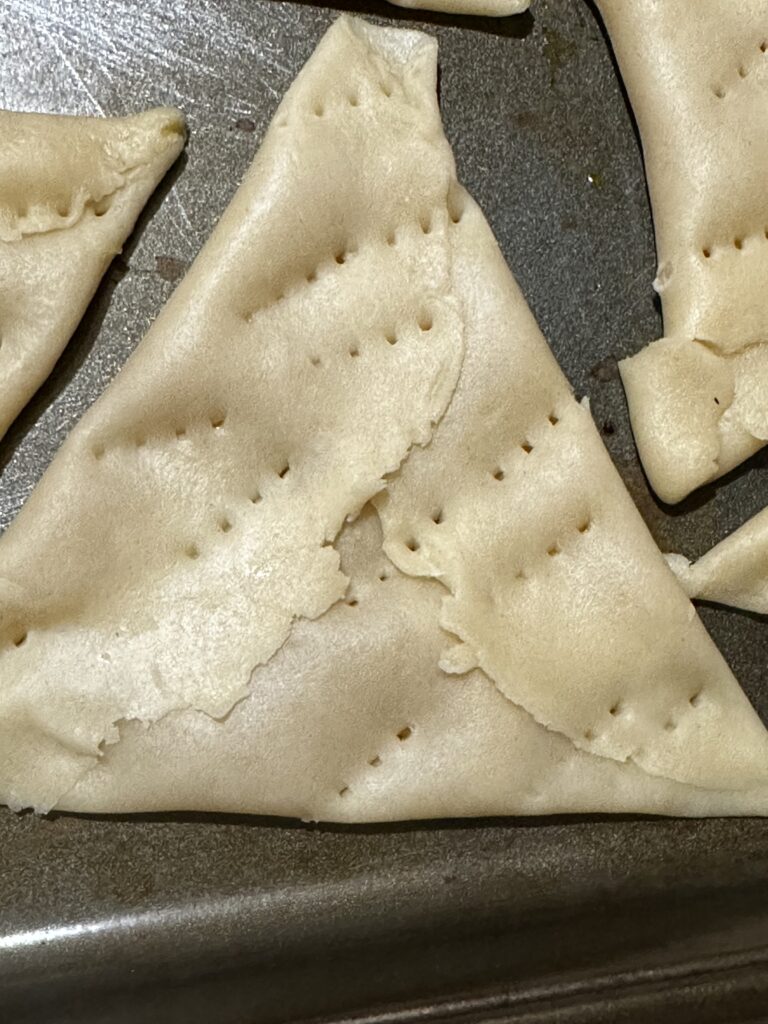
My son asked for homemade beignets, so of course, I made a fresh batch for dessert. Everything was perfect until the allergies kicked in. His reaction made me stop instantly and rethink something I had taken for granted all these years: the ingredients I use when cooking.
That one moment made me realize how important it is to know exactly which type of flour we’re using and how our bodies might react to it.
So today, I sat down and researched every type of flour commonly used in home cooking. And let me tell you there are many more than you think.
Whether you’re dealing with food sensitivities, baking for your family, or exploring new recipes, understanding your flour options is a game-changer.
Below is the full list I put together.
The 4 Main Types of Flour (Most Common)
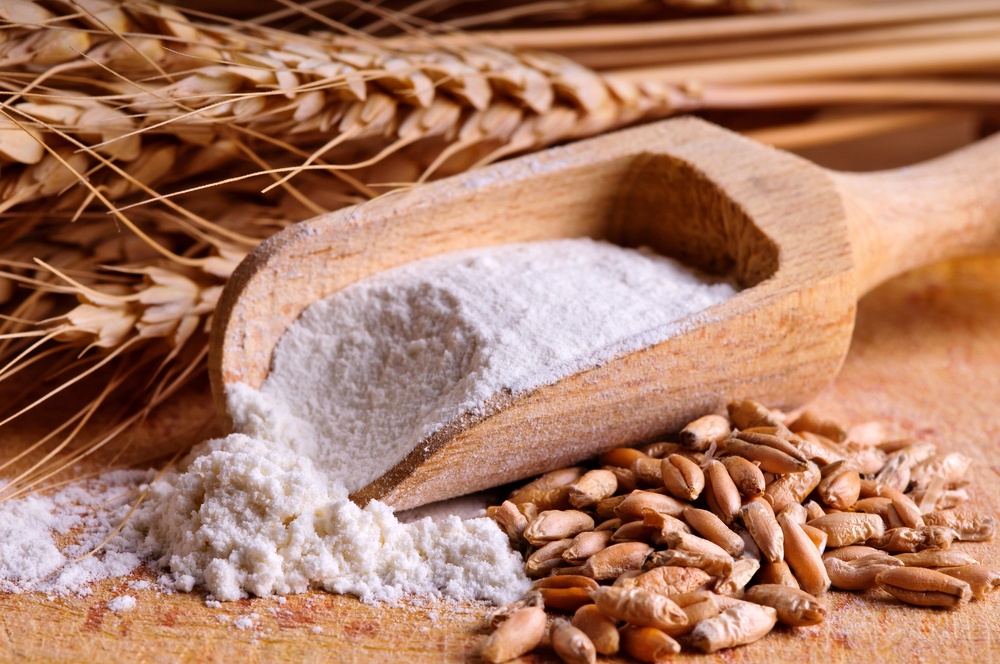
When it comes to everyday cooking and baking, most home kitchens rely on four essential flour types. Each one plays a specific role in texture, structure, and flavor. The flours most of us keep in our kitchen: All-Purpose Flour, Bread Flour, Cake Flour, and Pastry Flour. These basics are perfect for everyday recipes like cookies, cakes, breads, pastries, and fried desserts
The 12 Most Common Culinary Flours
These are used worldwide in home kitchens and restaurants:
- All-purpose flour
- Bread flour
- Cake flour
- Pastry flour
- Self-rising flour
- Whole wheat flour
- White whole wheat flour
- Semolina (durum wheat)
- 00 flour (great for pasta & pizza)
- Gluten-free flour blends
- Almond flour
- Coconut flour
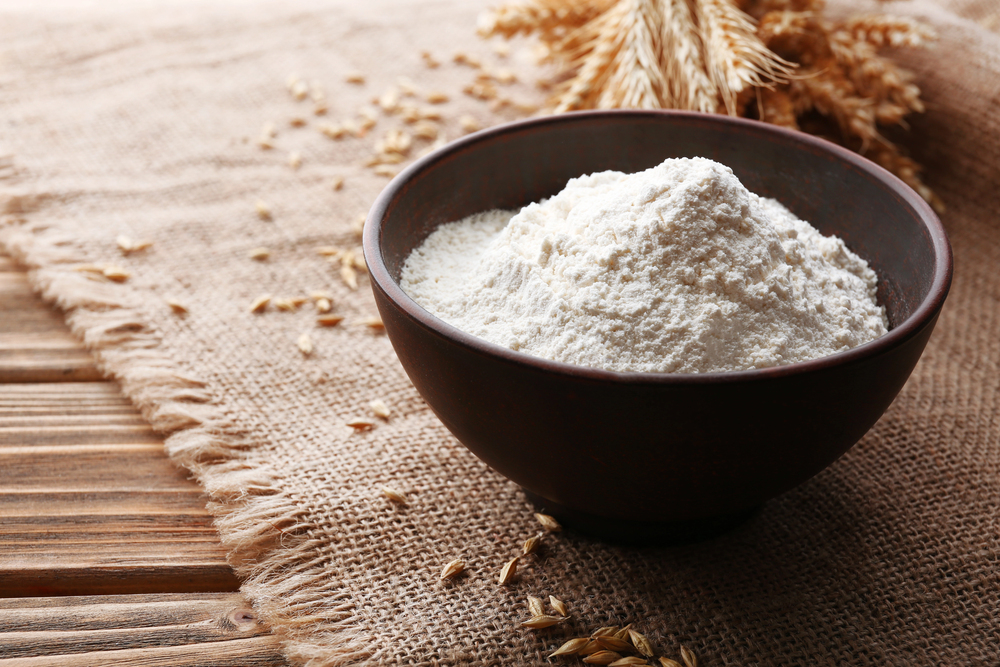
These are used worldwide in home kitchens and restaurants: Perfect for baking, frying, bread-making, and gluten-free cooking.
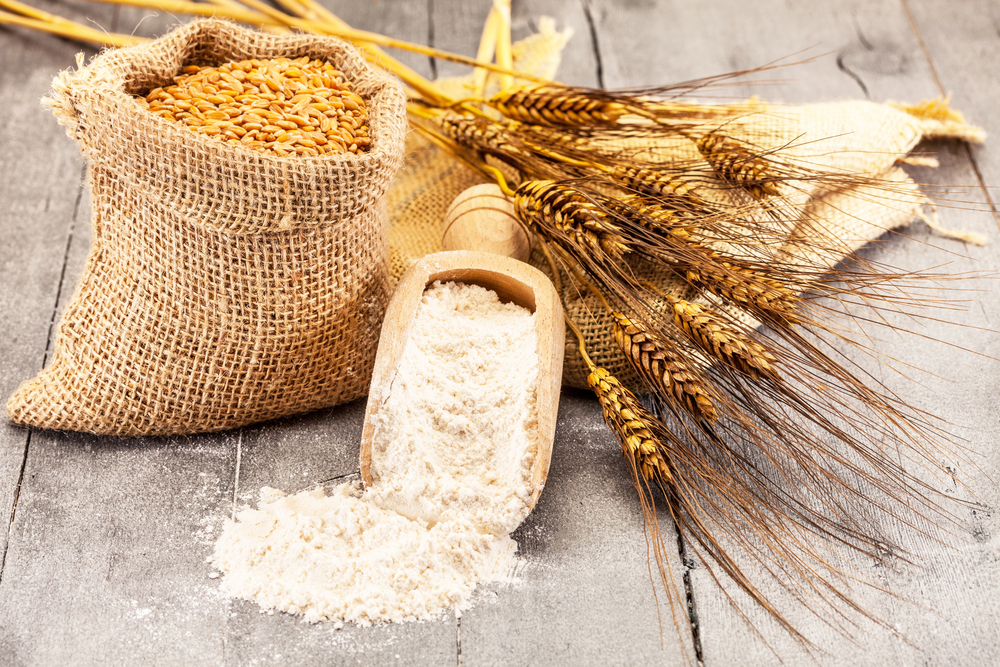
The 25+ Specialty, International & Gluten-Free Flours
These are great for allergies, sensitivities, cultural dishes, and healthier cooking.
The 25+ Specialty, International & Gluten-Free Flours
These are great for allergies, sensitivities, cultural dishes, and healthier cooking.
The 25+ Specialty, International & Gluten-Free Flours
These are great for allergies, sensitivities, cultural dishes, and healthier cooking.
Wheat-Based Flours
- Rye flour
- Spelt flour
- Einkorn flour
- Emmer (farro) flour
- Kamut flour
- Graham flour
- Durum flour
- High-gluten flour
- Vital wheat gluten
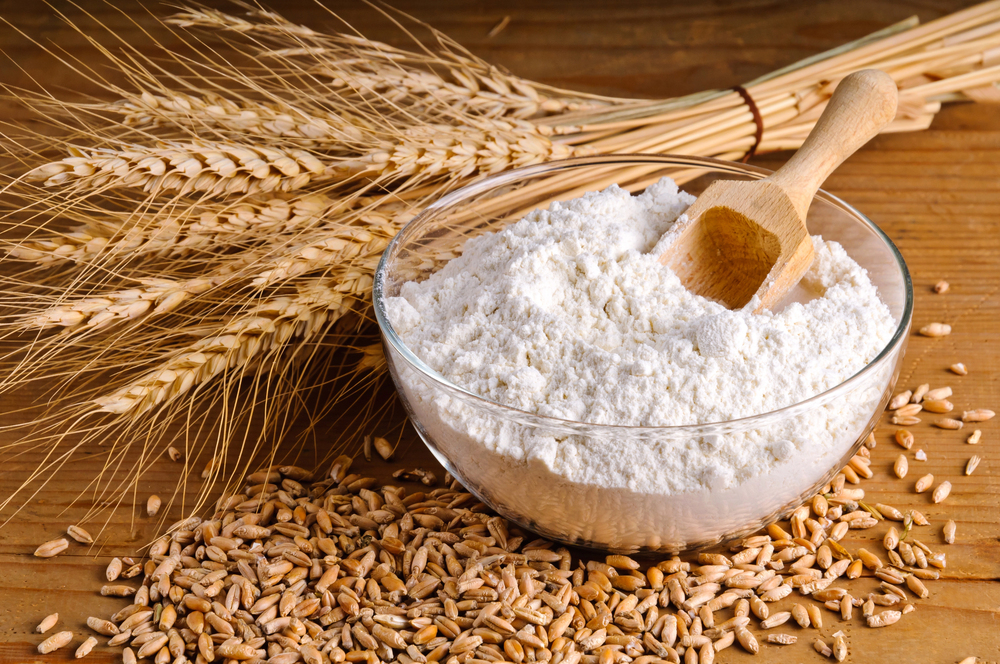
Nut & Seed Flours
- Almond flour
- Hazelnut flour
- Sunflower flour
- Flaxseed meal
- Pumpkin seed flour
- Sesame flour
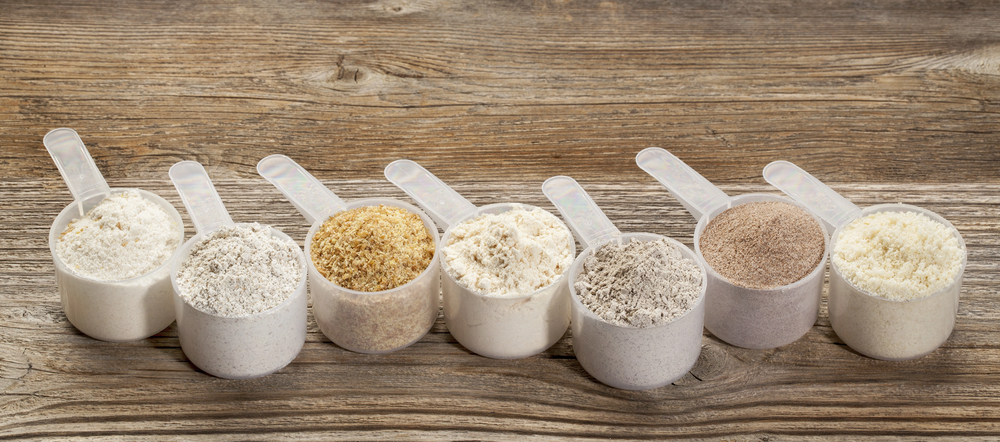
Plant-Based / Gluten-Free Flours
- Rice flour (white, brown, sweet)
- Oat flour
- Buckwheat flour
- Sorghum flour
- Millet flour
- Teff flour
- Quinoa flour
- Amaranth flour
- Cassava flour
- Tapioca flour
- Arrowroot flour
- Chickpea (besan) flour
- Lentil flour
- Pea flour
- Potato flour
- Corn flour / Masa harina
Total: 40+ Types of Flour Available Worldwide
Before yesterday, I thought “flour is flour.” The right one for your family’s health, diet, and recipes.
If you or a loved one deals with allergies, sensitivities, or gluten reactions, this list can really help you make safer choices in the kitchen.
Cooking Starts With Care
We love feeding our families.
But moments like what happened with my son remind us that good cooking begins with good awareness. From now on, I’ll be more mindful of flour types, ingredient labels, and how each recipe affects the people I love.