

Allergy-Friendly Flours for Cooking & Baking
Introduction: The Rise of Allergy-Friendly Flour Options
In recent years, more people are looking for ways to adapt their cooking and baking habits to cater to food allergies and intolerances. Whether it’s due to gluten sensitivity, nut allergies, or other dietary restrictions, choosing the right flour is crucial for making safe and delicious meals. Fortunately, there’s a variety of allergy-friendly flours available, perfect for anyone seeking alternatives to traditional wheat flour.
But with so many options out there, how do you know which one to choose? This guide will take you through the what, why, how, and when of allergy-friendly flours, so you can make informed decisions and bake with confidence.
What Are Allergy-Friendly Flours?
Allergy-friendly flours are alternative types of flour that are free from common allergens like gluten, wheat, dairy, nuts, or soy. They are typically used for baking and cooking by individuals with food sensitivities or allergies. These flours come from various sources, including grains, legumes, and vegetables, each offering unique benefits and flavors.
Here are some of the most popular allergy-friendly flour types:
1. Gluten-Free Flours
- Rice Flour: A staple in gluten-free baking, rice flour is light and neutral in flavor, making it ideal for cakes, cookies, and pancakes.
- Almond Flour: Made from ground almonds, this flour is high in protein and adds a slightly nutty flavor to baked goods. Perfect for those who are gluten and grain-free.
- Tapioca Flour: Extracted from the cassava root, tapioca flour is commonly used as a thickening agent and in gluten-free baking to provide texture and elasticity.
- Sorghum Flour: A gluten-free flour that provides a mild, slightly sweet flavor. It’s great for making bread and other baked goods that require structure.
- Coconut Flour: Derived from dried coconut meat, coconut flour is rich in fiber and naturally gluten-free. It absorbs moisture, so recipes usually require more liquid.
2. Nut-Free Flours
- Oat Flour: Oat flour is made by grinding whole oats. It’s naturally nut-free and can be used in a variety of baking recipes, from muffins to cookies.
- Chickpea Flour: Also known as garbanzo bean flour, chickpea flour is made from dried chickpeas and is high in protein. It’s great for savory recipes like fritters and flatbreads.
- Sunflower Seed Flour: A great alternative for those with nut allergies, sunflower seed flour is made from ground sunflower seeds and is packed with healthy fats and protein.
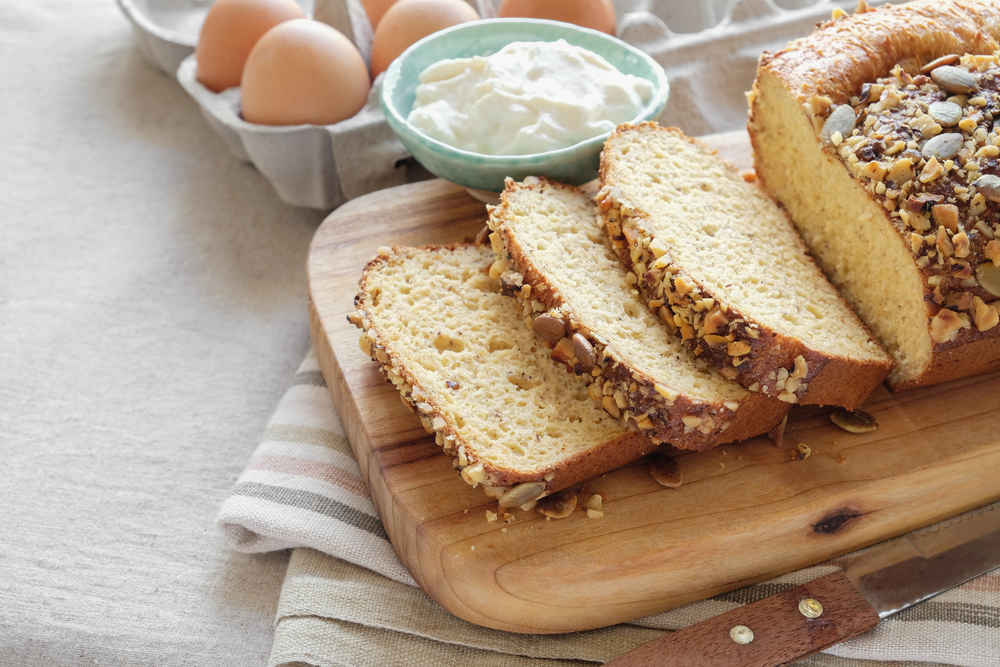
3. Other Allergy-Friendly Options
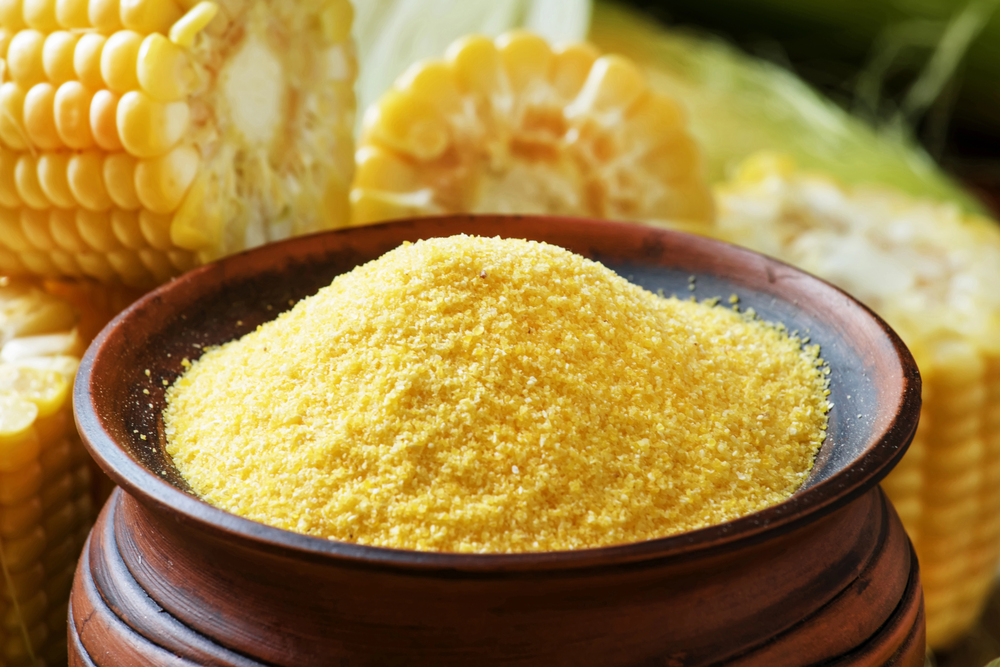
- Corn Flour: Derived from corn kernels, corn flour is naturally gluten-free and works well in a variety of baking applications, especially when mixed with other gluten-free flours.
- Quinoa Flour: Quinoa flour is high in protein and fiber, making it an excellent option for baking bread, muffins, and cookies.
Why Should You Choose Allergy-Friendly Flours?
If you or someone in your household has food allergies, using allergy-friendly flours can help ensure that your meals are safe and enjoyable. Here’s why you might consider switching to allergy-friendly flour:
- Health Benefits: Many allergy-friendly flours are high in nutrients, like protein, fiber, and healthy fats. For instance, almond flour is rich in vitamin E, and coconut flour is packed with fiber.
- Catering to Food Sensitivities: If you’re gluten intolerant, vegan, or have nut allergies, these alternative flours provide a way to enjoy your favorite baked goods without worrying about triggering an allergy.
- Variety of Flavors and Textures: Allergy-friendly flours can add unique flavors and textures to your recipes. For example, coconut flour imparts a subtle coconut flavor, while chickpea flour adds a slightly earthy taste.
- Versatility: You can use these flours in a wide range of recipes, from sweet treats like cakes and cookies to savory dishes like pancakes, bread, and even pizza crust.
How to Use Allergy-Friendly Flours in Cooking and Baking
Switching to allergy-friendly flour might require some adjustments to your recipes, but with the right knowledge, it’s easy to get started.
- Know the Substitution Ratio: Since allergy-friendly flours behave differently than traditional wheat flour, you may need to adjust the ratio. For example, coconut flour is highly absorbent and typically requires more liquid than other flours.
- Blend Flours for Best Results: Many allergy-friendly recipes use a combination of different flours to achieve the best texture and taste. For instance, combining rice flour with potato starch and tapioca flour is a common blend for gluten-free baking.
- Use Binders Like Xanthan Gum: In gluten-free baking, using a binding agent such as xanthan gum or guar gum can help improve texture and prevent crumbling.
- Experiment and Find Your Favorites: Different flours lend themselves to specific types of baked goods. For example, chickpea flour works well in savory dishes, while almond flour is great for moist cakes and cookies. Don’t be afraid to experiment and discover the flour combinations that work best for you.
When Should You Use Allergy-Friendly Flours?
Knowing when to use allergy-friendly flour can make all the difference in your cooking and baking. Here are some scenarios when allergy-friendly flours are especially useful:
- Baking for Special Diets: If you’re baking for someone who follows a gluten-free or vegan diet, allergy-friendly flours are a must-have. They provide a safe and tasty alternative for cakes, cookies, and other treats.
- Cooking for Allergies: Whether you’re making pancakes, bread, or pasta, using nut-free or gluten-free flours ensures that the meal is safe for anyone with allergies or sensitivities.
- Boosting Nutritional Value: Some allergy-friendly flours are high in fiber, protein, or healthy fats. Opting for alternatives like chickpea flour or quinoa flour can help add more nutritional value to your meals.
Conclusion: Embrace Allergy-Friendly Flour for Every Occasion
Allergy-friendly flours have come a long way in making it possible to enjoy the same delicious baked goods and meals without the worry of triggering allergies. Whether you’re avoiding gluten, nuts, or other allergens, there’s a flour alternative that’s perfect for you. By choosing the right flour for your cooking and baking needs, you can cater to various dietary restrictions and create flavorful, safe dishes for everyone to enjoy.
With the information provided on what, why, how, and when to use allergy-friendly flours, you’re now ready to start baking and cooking with confidence. So go ahead and experiment with new flour options—you might just discover your new favorite recipe!