A Simple Guide to Creating a Clean, Functional Home
A well-organized home doesn’t require expensive systems or complicated strategies. Sometimes, the key to a peaceful and functional space is simply organizing the basics. Whether you’re a busy parent, working a 9–5, or managing both, having an organized home can reduce stress, save time, and create the safe, calming environment we all need.
In this SEO-optimized guide, we’ll walk through how to organize the basics, what essentials to focus on, and where to start for maximum impact.
Why Organizing Matters
Before diving into aesthetics or décor, it’s important to build a strong foundation. Organizing the basics helps you:
- Save time searching for everyday items
- Reduce clutter and mental overwhelm
- Improve daily routines
- Create a calm and functional living space
When your essentials are in order, everything else becomes easier to manage.
What Are the “Basics” in Home Organization?
The “basics” refer to everyday items and high-use areas in your home. Focus on:
- Kitchen essentials (utensils, pantry items, cookware)
- Clothing and daily wear
- Bathroom necessities
- Cleaning supplies
- Paperwork and important documents
Step-by-Step Guide to Organizing the Basics
1. Start Small and Stay Focused
Choose one area at a time. Trying to organize your entire home at once can lead to burnout. Start with a drawer, cabinet, or small section.
Pro Tip: Begin with high-traffic areas like the kitchen or entryway.
2. Declutter First
Before organizing, remove items you don’t use, need, or love.
Ask yourself:
- Have I used this in the last 6 months?
- Does this serve a purpose?
- Does this add value to my daily life?
Donate, recycle, or discard anything that no longer serves you.
3. Categorize Everything
Group similar items together. This makes it easier to find and maintain order.
Examples:
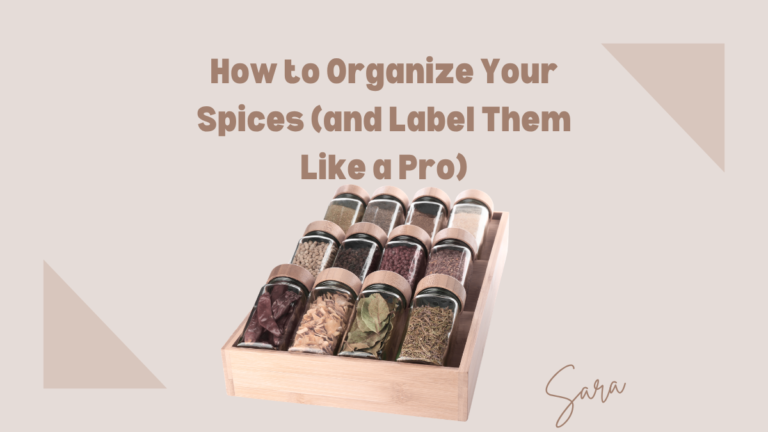
- Kitchen: spices, utensils, baking items
- Bathroom: skincare, haircare, daily essentials
- Closet: work clothes, casual wear, seasonal items
4. Use Simple Storage Solutions
You don’t need expensive organizers. Use:
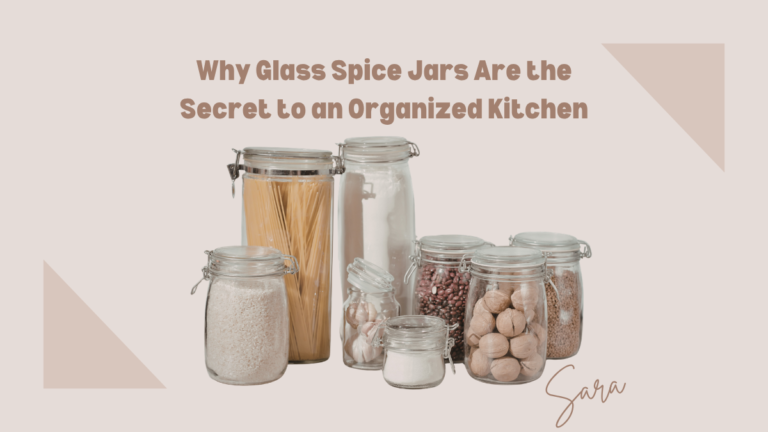
- Clear bins for visibility
- Drawer dividers for small items
- Labels for easy identification
- Baskets for grouped storage
Keep it simple and functional.
5. Create a “Home” for Everything
Every item should have a designated place. This is the key to maintaining organization long-term.
If you don’t know where something belongs, that’s a sign you may not need it
6. Prioritize Accessibility
Place frequently used items within easy reach, and store rarely used items higher up or further away.
Example:
- Daily dishes → easy access cabinets
- Special occasion cookware → upper shelves
7. Maintain a Daily Reset Routine
Spend 10–15 minutes each day putting things back in place. This prevents clutter from building up again.
Consistency is more important than perfection.
Keep It Simple and Personal
Every home is different, and every person has their own lifestyle and needs. Don’t aim for perfection ,aim for a system that works for YOU.
Let your home reflect your life, your comfort, and your peace. When you organize the basics, you’re not just cleaning, you’re creating a space that supports your well-being every single day.