What Are Capers Used For? A Complete Guide
This post contains affiliate links. I may earn a small commission if you purchase through my links, at no extra cost to you.
Capers are one of those ingredients that show up in a recipe, get a passing mention, and then get skipped by anyone who isn’t sure what they are or how much to use. Which is a shame, because a small jar of capers can do a lot of work in a dish , they add a briny, salty punch that balances rich or fatty foods and wakes up anything that needs a little acidity.
Here’s what capers actually are, what they’re used for, and how to start cooking with them
What Are Capers?
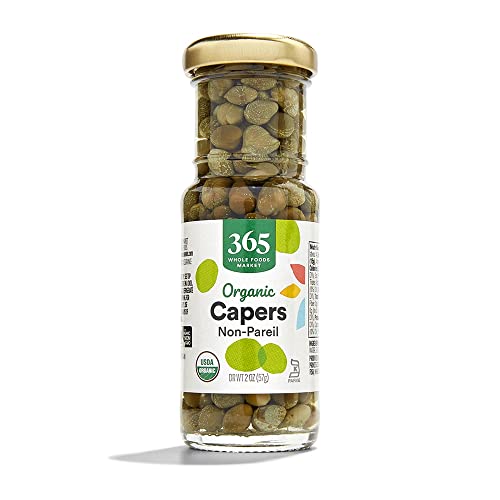
Capers are the unripened flower buds of the caper bush (Capparis spinosa), a shrub that grows in Mediterranean climates. The buds are hand-picked before they open, then cured , usually brined in a vinegar-salt solution or packed in salt , which is what gives them their sharp, tangy, slightly salty flavor. Fresh, uncured caper buds are actually bitter and not very pleasant to eat; the curing process is what transforms them into the ingredient people know.
They typically range from tiny “nonpareil” capers (the most prized, smallest size) up to larger “caper berries,” which are the fruit of the same plant, harvested after the flower has bloomed.
What Do Capers Taste Like?
Briny, tangy, and salty, with a slightly floral, almost olive-like undertone. Because of the curing process, they taste closer to a pickle or an olive than anything sweet or fresh. A little goes a long way, they’re meant to be used as a flavor accent, not a main ingredient.
What Are Capers Used For?
1. Salads
Capers are a common addition to Mediterranean-style salads, potato salads, and tuna or chickpea salads, where their brininess cuts through creamy dressings and adds a pop of flavor in every bite.
2. Pasta Sauces
Classic dishes like puttanesca sauce lean heavily on capers alongside tomatoes for a salty, tangy backbone. They’re also a common addition to lemon-butter pasta sauces.
3. Fish and Seafood
Capers are practically a standard pairing with fish , think caper butter sauce over salmon, or scattered over smoked salmon and bagels. Their acidity balances the richness of fatty fish beautifully.
4. Sauces and Condiments
Tartar sauce, remoulade, and many piccata-style pan sauces use capers for both flavor and a bit of texture.
5. Garnishing
Whole or roughly chopped capers make a simple, flavorful garnish for roasted vegetables, deviled eggs, or dips, scattered on top right before serving.
How to Use Capers in Cooking
Rinse first if using salt-packed capers ,they can be very salty straight from the jar, so a quick rinse under cold water mellows them out.
Add them near the end of cooking so they keep their texture and don’t turn mushy or lose their tang.
Chop larger capers if you want the flavor distributed through a dish rather than concentrated in individual bites.
Use the brine, too a splash of caper brine can add acidity to a dressing or sauce, similar to how pickle juice is used.
Capers vs. Caper Berries
Capers and caper berries come from the same plant but aren’t interchangeable. Capers are the small flower buds, picked before they open, with a concentrated briny flavor. Caper berries are larger, picked after flowering, and have a milder flavor with visible seeds inside , often served whole as a garnish, similar to an olive, rather than cooked into a dish.
Substitutes for Capers
If a recipe calls for capers and you don’t have any on hand:
Chopped green olives ,a similar briny, salty flavor, though slightly less sharp.
Chopped pickles or pickle relish, a reasonable stand-in for the tang, especially in sauces.
A pinch of extra salt plus a splash of vinegar or lemon juice ,won’t replicate the exact flavor, but covers the salty-acidic role capers usually play.
FAQ
Do capers need to be refrigerated after opening? Yes , once opened, store capers in their brine in the refrigerator, where they’ll keep for several months.
Are capers the same as caper berries? No ,capers are the unopened flower buds, while caper berries are the fruit of the plant, picked later and larger in size.
Can you eat capers straight from the jar? Yes, cured capers are ready to eat as-is, though many people rinse them first to reduce the saltiness.