Types of Dough and What They Are Used For: The Complete Guide
Ever stood in the baking aisle wondering why some recipes call for bread dough, others for pie dough, and others for something called choux? Dough is the starting point for almost everything we bake, fry, and boil, but not all doughs are the same. The ratio of flour, fat, liquid, and leavening changes the texture completely, from chewy and airy to flaky and crisp.
In this guide, you’ll learn the main types of dough, what makes each one different, and exactly what each is used for, so you can pick the right one for your next recipe.
What Is Dough?
Dough is a thick, pliable mixture of flour and liquid (usually water, milk, or eggs) that you can shape, roll, or bake. Many doughs also include fat, sugar, salt, and a leavening agent such as yeast, baking powder, or baking soda.
The type of dough you end up with depends on three things:
Gluten development: how much you knead or mix it. More gluten means chewier bread. Less means a tender crumb.
Fat content: butter and oil make dough richer and flakier.
Leavening: yeast, steam, or chemical leaveners create rise and texture.
Quick Comparison: Types of Dough at a Glance
| Dough Type | Leavening | Texture |
|---|---|---|
| Lean bread dough | Yeast | Chewy, crusty |
| Enriched dough | Yeast | Soft, tender |
| Sourdough | Wild yeast starter | Tangy, chewy |
| Pizza dough | Yeast | Chewy, stretchy |
| Pie dough | None (steam) | Flaky |
| Shortcrust | None | Crumbly, tender |
| Puff pastry | Steam | Layered, airy |
| Choux pastry | Steam | Hollow, crisp |
| Cookie dough | Baking soda/powder | Soft or crisp |
| Biscuit dough | Chemical | Flaky, tender |
| Pasta dough | None | Silky, firm |
Yeast Doughs (Bread Doughs)
Yeast doughs rise because yeast ferments sugars and releases gas, which gets trapped in the gluten network. They need time to proof, but the flavor and texture are worth it.
Lean Bread Dough
Made with just flour, water, yeast, and salt, lean dough bakes into chewy loaves with crisp crusts.
Used for: baguettes, ciabatta, focaccia, country loaves, and rustic artisan bread.
Enriched Dough
Enriched dough includes eggs, butter, milk, or sugar. The added fat produces a soft, tender, slightly sweet crumb.
Used for: dinner rolls, brioche, challah, cinnamon rolls, hamburger buns, and sweet breads.
Sourdough
Sourdough relies on a wild yeast and bacteria culture (a starter) instead of commercial yeast. It rises more slowly and develops a tangy flavor and chewy crumb.
Used for: sourdough loaves, sandwich bread, English muffins, pancakes made with discard, and crackers.
Pizza Dough
Pizza dough is typically a lean dough with a little oil, designed to be stretchy and easy to shape. Cold fermentation in the fridge for 24 to 72 hours improves flavor. Used for: pizza, calzones, stromboli, garlic knots, and breadsticks.
Bagel and Pretzel Dough
These doughs are stiff and low in hydration. They are boiled or dipped in an alkaline bath before baking, which gives them their shiny, chewy crust.Used for: bagels, soft pretzels, and pretzel buns.
Laminated Yeast Dough
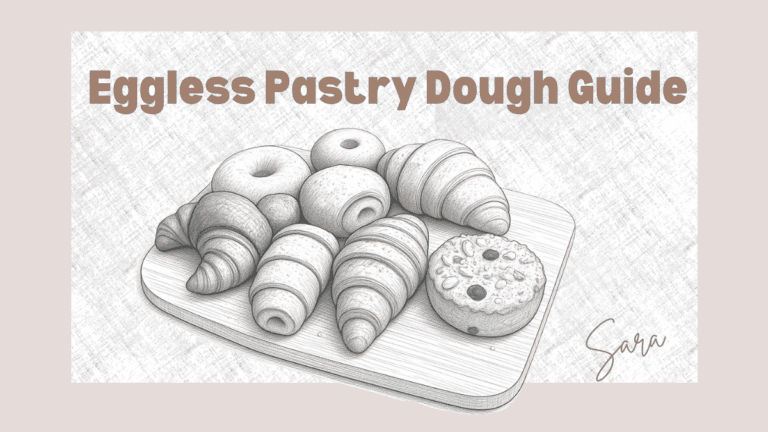
Laminated dough has butter folded into it in many layers. When it bakes, the butter creates steam and separates the layers into flaky sheets.Used for: croissants, Danishes, and pain au chocolat.
Pastry Doughs
Pastry doughs usually rely on cold fat and minimal mixing. The goal is tenderness and flakiness, not chewiness.
Pie Dough
Pie dough combines flour, cold butter (or shortening), salt, and ice water. Small pieces of fat melt in the oven and create flaky pockets. Used for: fruit pies, pot pies, quiche, hand pies, and galettes.
Shortcrust and Sweet Tart Dough
Shortcrust has more fat and less water than pie dough, so it bakes up crumbly and tender. Sweet tart dough (pâte sucrée) adds sugar and egg for a cookie-like crust. Used for: tart shells, lemon tarts, fruit tarts, and savory tarts.
Puff Pastry
Puff pastry is made by folding butter into dough repeatedly. It puffs dramatically because of steam trapped between the layers. Used for: palmiers, turnovers, Beef Wellington, sausage rolls, and cheese straws.
Choux Pastry
Choux (pronounced “shoo”) is cooked on the stovetop before baking. It’s more of a paste than a traditional dough, and it puffs up hollow in the oven.Used for: éclairs, cream puffs, profiteroles, gougères, and churros.
Phyllo (Filo) Dough
Phyllo is rolled paper-thin and layered with butter or oil. It bakes up shatteringly crisp. Used for: baklava, spanakopita, strudel, and savory pies
Cookie and Sweet Doughs
Cookie Dough
Cookie dough is made with butter, sugar, eggs, flour, and baking soda or powder. The ratio of fat to sugar to flour controls whether cookies turn out chewy, crisp, or cakey.Used for: chocolate chip cookies, sugar cookies, oatmeal cookies, and cutout cookies.
Shortbread Dough
Shortbread has just butter, sugar, and flour. It’s dense, buttery, and crumbly. Used for: shortbread cookies and cookie bar bases.
Biscotti Dough
Biscotti dough is shaped into a log, baked, sliced, and baked again for a crunchy finish. Used for: coffee-dunking biscotti.
Quick Bread Doughs
Biscuit and Scone Dough
These doughs use cold butter and chemical leaveners (baking powder or soda). Handle them gently, since overworking them makes them tough. Used for: buttermilk biscuits, scones, and shortcakes.
Soda Bread Dough
Soda bread uses baking soda and buttermilk for a quick rise, with no yeast and no proofing time.Used for: Irish soda bread.
Pasta and Noodle Doughs
Fresh Egg Pasta Dough
Made from flour and eggs, this dough is kneaded until smooth and rested before rolling.Used for: fettuccine, tagliatelle, ravioli, and lasagna sheets.
Semolina Pasta Dough
Made with semolina flour and water (no eggs), this dough has a firm, slightly toothsome bite. Used for: orecchiette, cavatelli, and other hand-shaped pastas.
Gnocchi Dough
Gnocchi dough combines potato and flour, mixed lightly so the dumplings stay tender. Used for: potato gnocchi.
Asian Noodle Doughs
Wheat noodle doughs often use alkaline salts or high-protein flour for springiness. Used for: ramen, udon, lo mein, and hand-pulled noodles.
Flatbread and Dumpling Doughs
Flatbread Dough
Flatbread dough can be yeasted or unleavened. It’s usually rolled thin and cooked quickly on a hot surface or in the oven. Used for: naan, pita, tortillas, roti, chapati, and lavash.
Dumpling Dough
Dumpling wrappers are made with flour and water (sometimes hot water) for a pliable, stretchy dough.Used for: gyoza, potstickers, pierogi, and wontons.
How to Choose the Right Dough
Use these quick rules when you’re deciding:
- Want something chewy and crusty? Choose a lean bread dough or sourdough.
- Want soft and rich? Choose an enriched dough.
- Want flaky layers? Choose pie dough, puff pastry, or laminated dough.
- Want a crisp, hollow shell? Choose choux pastry.
- Want a quick bake with no waiting? Choose biscuit, scone, or soda bread dough.
- Want something for dinner tonight? Fresh pasta or flatbread dough comes together fast.
Tips for Working With Any Dough
Measure flour by weight. A kitchen scale gives more consistent results than cups.
Watch your temperature. Warm water for yeast doughs, ice-cold ingredients for pastry.
Don’t overwork pastry dough. Mix until it just comes together.
Let dough rest. Resting relaxes gluten and makes rolling easier.
Use the right flour. Bread flour for chew, all-purpose for versatility, and cake or pastry flour for tenderness.
What is the difference between dough and batter?
Dough is thick enough to knead, roll, or shape by hand. Batter is thinner and pourable, like pancake or cake batter.
What is the easiest type of dough for beginners?
Biscuit dough, cookie dough, and basic pizza dough are all beginner-friendly. They’re forgiving and don’t require advanced technique.
Can I freeze dough?
Yes. Most yeast doughs, cookie doughs, pie doughs, and puff pastry freeze well. Wrap them tightly, then thaw in the fridge overnight before using.
What is the difference between bread dough and pastry dough?Bread dough is yeast-leavened and kneaded to develop gluten, giving a chewy texture. Pastry dough uses cold fat and minimal mixing to stay tender or flaky.
Are most doughs allium-free?Yes. Most doughs are naturally free of onion and garlic. Just watch savory variations such as garlic knots, herb breads, and store-bought mixes or fillings that include onion or garlic powder.
Once you understand the main types of dough, you can pick the right one for any recipe and troubleshoot with confidence. Start with a simple dough, like pizza or cookies, and work up to laminated pastries as you gain skill.
Which dough are you going to try first? Leave a comment below, and check out our related recipes for more kitchen inspiration